
How to secure digital vault files has become a critical topic in modern cybersecurity as individuals and companies increasingly rely on digital platforms to store sensitive information. Many users believe that digital vaults protect data automatically, yet additional precautions are essential for long term safety. Proper security practices reduce the risks of breaches, identity theft, and unauthorized entry. Strong protection also ensures compliance with privacy regulations and corporate policies. Knowledge of how to secure digital vault files supports safer data management and stronger digital resilience.
Why Knowing How to Secure Digital Vault Files Is Essential
Digital vaults store highly sensitive items such as financial documents, identification records, legal contracts, confidential media, corporate files, and private backups. These vaults offer built in protection, although the strength of the security depends largely on user habits. Understanding how to secure digital vault files prevents accidental exposure and minimizes vulnerabilities created by poor password hygiene or misconfigured settings.
Cybercriminals continue to target vault systems because the stored information holds significant value. Proper knowledge of how to secure digital vault files allows users to implement advanced layers of protection that are not activated by default. Many vaults include additional tools that remain unused, leaving valuable security gaps. Awareness of these features helps maximize the full potential of the system.
Regulated industries rely on strict data governance. Understanding how to secure digital vault files supports compliance with frameworks such as GDPR, HIPAA, PCI DSS, and SOC 2. Secure vault configurations protect organizations from legal penalties and reputational damage. Strong digital security practices create a stable foundation for responsible data management.
1. Use Strong Encryption Settings to Secure Digital Vault Files
Encryption remains the first and most important defense layer. Many vault platforms allow users to choose their encryption strength. Understanding how to secure digital vault files begins with checking whether end to end encryption is enabled. This ensures that only the user holds the decryption key, preventing unauthorized access even if servers are compromised.
RSA and AES based encryption options offer high security for personal or professional use. These standards protect data at rest and during transmission. Users should avoid free or unverified vault tools that lack transparent encryption policies. Correct configuration ensures privacy against both external and internal threats.
2. Create Strong and Unique Passwords for Digital Vault Access
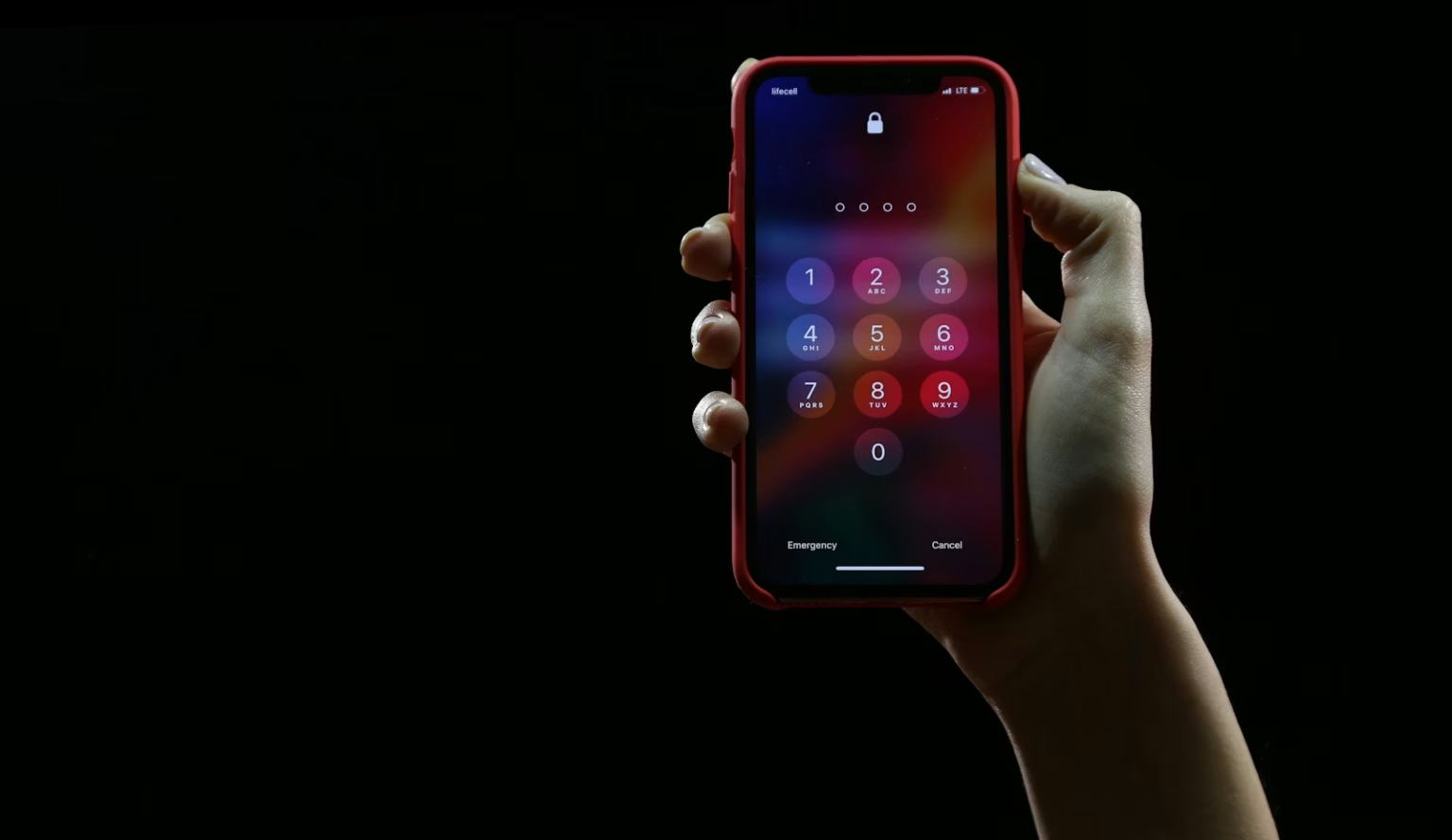
Password strength determines how easy it is for attackers to breach vault accounts. Learning how to secure digital vault files requires avoiding simple passwords, recycled passwords, or predictable patterns. Long combinations with letters, numbers, and symbols create stronger barriers.
Password managers assist in generating unique codes that are difficult to guess. This reduces human error and improves security. Multi word passphrases offer another effective method because they are harder to crack and easier to remember. Strong passwords support the overall safety of digital vault systems.
3. Enable Multi Factor Authentication for Additional Protection

Multi factor authentication adds an extra verification layer beyond passwords. MFA helps users who want to learn how to secure digital vault files by requiring a secondary authentication step such as biometrics, SMS codes, authentication apps, or hardware keys. This makes unauthorized access significantly more difficult.
Attackers who gain access to a password still cannot open the vault without the second verification factor. Many digital vault platforms support MFA integration with enterprise identity management systems. Combining strong passwords with MFA reduces breach risks dramatically.
4. Restrict File Sharing and Apply Permission Based Access
Uncontrolled file sharing becomes a major security gap. Learning how to secure digital vault files includes adjusting access settings to limit who can view, download, or modify sensitive content. Permission based access prevents unnecessary exposure. This feature supports businesses that manage multiple departments or teams.
Users should assign minimal access rights to avoid misuse or accidental changes. Time limited sharing links also protect documents during temporary collaboration. Revoking access promptly ensures that files remain protected even after the project ends. Proper access control helps prevent data leakage.
5. Monitor File Activity Logs to Detect Suspicious Behavior

Activity logs reveal changes made inside the vault such as file downloads, deletions, edits, or login attempts. Users who understand how to secure digital vault files review these logs regularly. Sudden or unusual patterns may indicate unauthorized activity or compromised credentials.
Many digital vault services allow users to set up alerts for suspicious events. Notifications help detect problems before they escalate. Continuous monitoring enhances overall data governance and supports audit requirements. This method strengthens long term security.
6. Keep All Connected Devices Updated and Secured

Device security directly influences vault safety. Understanding how to secure digital vault files includes maintaining updated operating systems, antivirus software, and firewalls. Outdated devices may contain vulnerabilities that allow attackers to access stored data or intercept login credentials.
Public or unsecured WiFi should be avoided when accessing digital vaults. Virtual private networks create secure connections that protect data in transit. Device hygiene forms a crucial part of complete vault protection, especially for mobile users who access files from multiple locations.
7. Store Backup Copies in an Encrypted External Environment
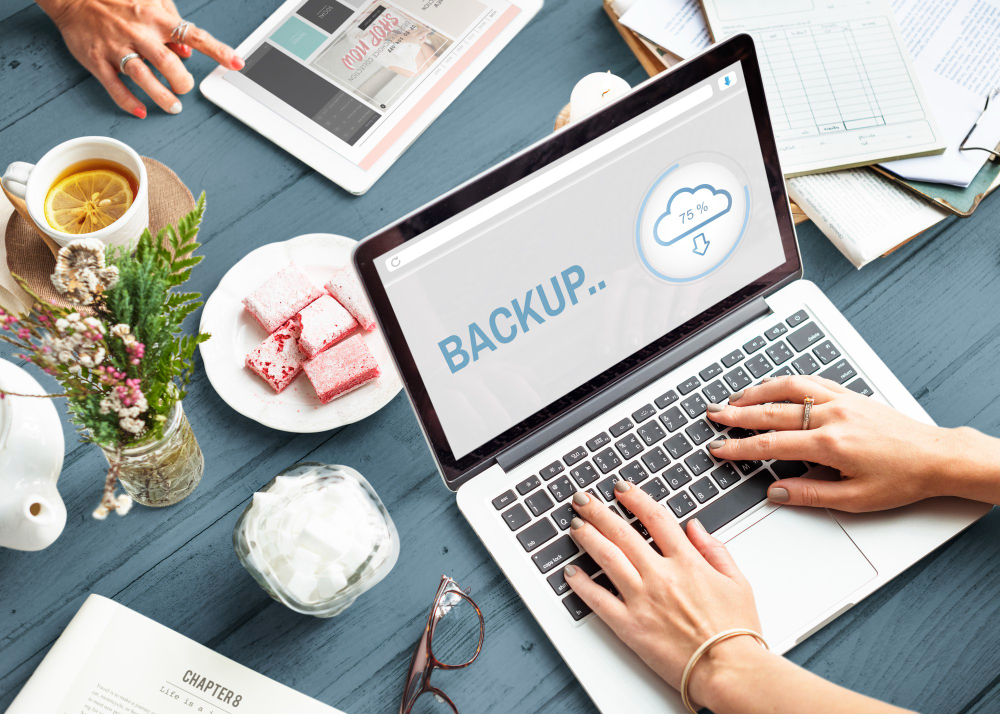
A secure backup system protects digital vault files from accidental deletion, corruption, or system failure. Users who learn how to secure digital vault files understand the importance of redundancy. Backups should never remain unencrypted or stored in unsecured locations.
External encrypted drives or secondary vault systems offer reliable protection. Backups must be updated regularly to match the most recent file versions. Maintaining multiple offline copies reduces dependency on a single digital environment. This practice supports business continuity and disaster recovery.
8. Choose a Trusted Digital Vault Provider with Strong Security Policies

Not all digital vault providers offer the same level of security. Learning how to secure digital vault files means evaluating the provider’s transparency, certifications, compliance frameworks, and security track record. Services that do not publish their encryption standards or security protocol should be avoided.
Trusted providers include features such as zero knowledge architecture, independent audits, data center protections, and secure key management. Long term reliability depends on responsible platform design. A well respected provider reduces the risk of data breaches and enhances user confidence.
Conclusion
Understanding how to secure digital vault files empowers individuals and organizations to protect sensitive information from unauthorized access. Encryption, strong passwords, multi factor authentication, and strict access controls create a strong security foundation. Continuous monitoring, device protection, and secure backups reduce long term risks and improve data resilience. Choosing a reputable provider ensures robust protection that aligns with compliance and privacy standards. Applying these proven methods ensures digital vault files remain safe, private, and protected in an evolving cybersecurity landscape.