
How to store personal documents securely online becomes an essential question for anyone managing sensitive files in a digital world where cyber threats continue to grow rapidly. Many individuals rely on digital storage solutions without fully understanding security risks associated with weak systems and improper handling. Storing documents online requires thoughtful planning to avoid exposure, identity theft, or unauthorized access. Careful selection of tools and practices ensures long term protection of private records. Awareness of how to store personal documents securely online supports stronger digital habits and safer personal data management.
Why Knowing How to Store Personal Documents Securely Online Matters
Cyberattacks, data breaches, and identity theft have become common, placing personal information at constant risk. Understanding how to store personal documents securely online helps individuals avoid preventable exposures involving financial records, medical files, identification documents, and legal papers. Many online platforms offer convenience but lack advanced security features required for sensitive data. Choosing the right storage environment protects information from misuse.
Personal files often contain details that cybercriminals target for fraudulent activities. Awareness of how to store personal documents securely online supports preventive security rather than reactive measures. Encrypting, controlling access, and regularly monitoring stored data minimize risks associated with unauthorized intrusion. Responsible digital storage reduces the likelihood of long term consequences.
Individuals use multiple devices, which increases the chances of data loss or theft. Proper knowledge of how to store personal documents securely online ensures that files remain protected across desktops, mobile devices, and cloud systems. Secure storage methods also enhance file availability during emergencies. Preserving important records becomes easier when safety practices are consistently applied.
1. Use a Reputable Encrypted Cloud Storage Service

Selecting encrypted cloud storage is an important step in learning how to store personal documents securely online. Trusted providers offer end to end encryption that prevents third parties from viewing file contents. Strong encryption ensures only the owner can decrypt the information. Reliable providers also include backup systems to protect documents from accidental loss.
Encrypted cloud platforms limit data exposure during transmission and storage. They often include multi factor authentication, secure sharing options, and automatic updates. Users following best practices for how to store personal documents securely online rely heavily on encryption based systems. Safety increases when accounts are protected with strong passwords and restricted access.
2. Store Sensitive Files in a Digital Vault

Digital vaults provide advanced security for high value documents such as wills, contracts, and identity files. These vaults use layered encryption and strict access controls. Many individuals researching how to store personal documents securely online choose digital vaults for maximum protection. Vaults isolate sensitive files from general cloud storage.
Digital vaults also offer audit logs, file activity records, and recovery options. These features strengthen overall privacy management. People seeking strong long term protection benefit greatly from vault systems. Digital vaults remain one of the strongest solutions for confidential document storage.
3. Enable Multi Factor Authentication on All Accounts
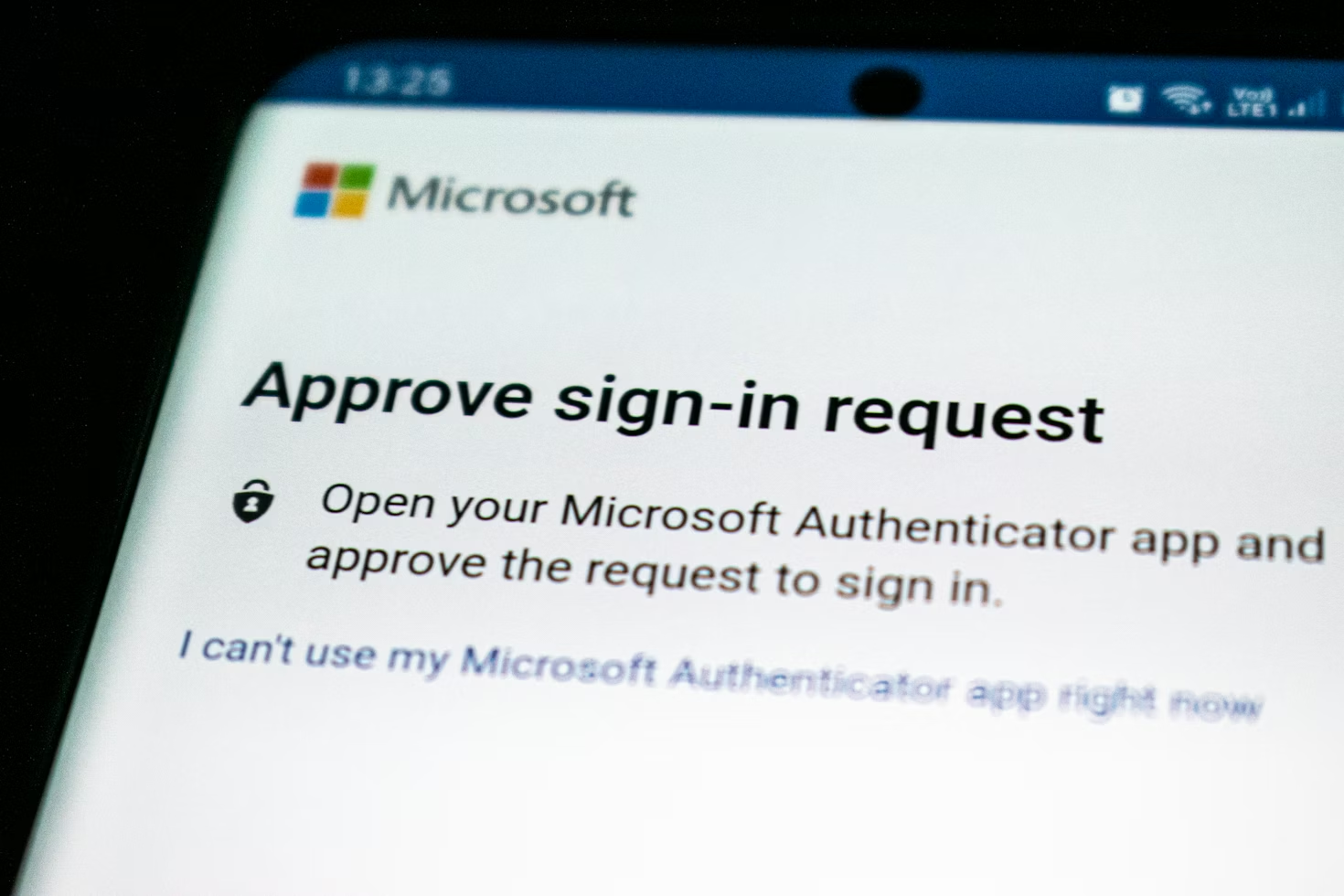
Multi factor authentication prevents unauthorized access even when passwords are stolen. This step is essential for anyone learning how to store personal documents securely online. MFA adds a second verification layer such as biometrics or a time based code. This makes unauthorized entry significantly harder.
MFA protects accounts across cloud services, digital vaults, and password managers. Users who adopt this step reduce vulnerability to phishing attacks and credential leaks. MFA remains a simple yet powerful security upgrade. It strengthens document protection with minimal effort.
4. Organize Documents Using a Secure Password Manager
Password managers help manage secure access to different storage systems. Those researching how to store personal documents securely online often use password managers to store encrypted notes or small files. These tools maintain strong passwords and reduce the risk of weak credentials. They also prevent data loss by providing safe backup access.
Password managers simplify organizational processes. Many include breach alerts, password generators, and device sync options. They contribute to cleaner, safer digital environments. They support broader efforts to protect sensitive documentation.
5. Apply Strong File Level Encryption Before Uploading

File level encryption protects documents even before they reach cloud storage. People learning how to store personal documents securely online often encrypt PDFs, images, and scanned records. This step ensures that only the document owner can decrypt and read the content. Encryption tools are widely available and easy to use.
Encrypting files before uploading provides an additional barrier against data breaches. Many tools use advanced algorithms such as AES 256. Encrypted files remain secure even when stored on shared or public platforms. Encryption increases confidence when uploading sensitive materials.
6. Avoid Storing Sensitive Files in Email Accounts
Email accounts are common targets for hacking attempts. Understanding how to store personal documents securely online includes recognizing unsafe storage practices. Email attachments can easily be accessed when accounts are compromised. Long term storage in email also lacks encryption safeguards.
Secure platforms offer far better protection. Emails should not act as primary storage for personal information. Individuals should download and migrate important files into encrypted systems. Eliminating risky storage habits strengthens digital safety.
7. Use a Secure External Backup as Additional Protection
External drives provide an offline layer of protection. People who explore how to store personal documents securely online often use both cloud and offline backups. Encrypted external drives reduce dependence on internet access. They also protect files from server based outages.
Offline backup methods prevent total data loss during cyberattacks. Drives must be stored securely in protected environments. Physical security matters as much as digital security. Regular updates maintain backup accuracy.
8. Regularly Monitor Account Activity Logs

Monitoring activity logs helps detect unusual access attempts. Understanding how to store personal documents securely online includes tracking activity across cloud services and digital vaults. Suspicious login attempts require immediate investigation. Alerts help prevent unauthorized entry.
Activity logs show where and how accounts were accessed. These insights support risk mitigation strategies. Monitoring strengthens proactive security posture. Continuous awareness reduces long term exposure.
9. Limit Document Sharing and Use Secure Links Only
Sharing documents increases vulnerability. Anyone researching how to store personal documents securely online must use controlled sharing options. Secure links expire after a specified period. They reduce the risk of accidental exposure.
Permission settings should remain restrictive. Recipients should only access documents when necessary. Limiting sharing narrows the threat surface. Proper link management protects confidential files.
10. Keep All Devices Updated and Protected

Device security plays an important role in online document safety. Learning how to store personal documents securely online requires maintaining updated systems. Outdated software increases the risk of malware attacks. Updated devices support stronger encryption and authentication tools.
Firewalls, antivirus software, and secure browsers reduce exposure to cyber threats. Clean systems prevent unauthorized access to sensitive data. Device level protection enhances the overall security ecosystem. Strong digital hygiene supports safe online storage practices.
Conclusion
Understanding how to store personal documents securely online empowers individuals to protect their most important information. Cloud storage, digital vaults, strong encryption, and strict access controls form the foundation of secure digital practices. Users who follow consistent routines improve privacy, reduce exposure risks, and maintain long term data integrity. The right approach supports safe and reliable document storage. Learning how to store personal documents securely online is essential for everyday cybersecurity and responsible digital management.